Living computers forge a ‘hive mind’ and work together to outwit AI
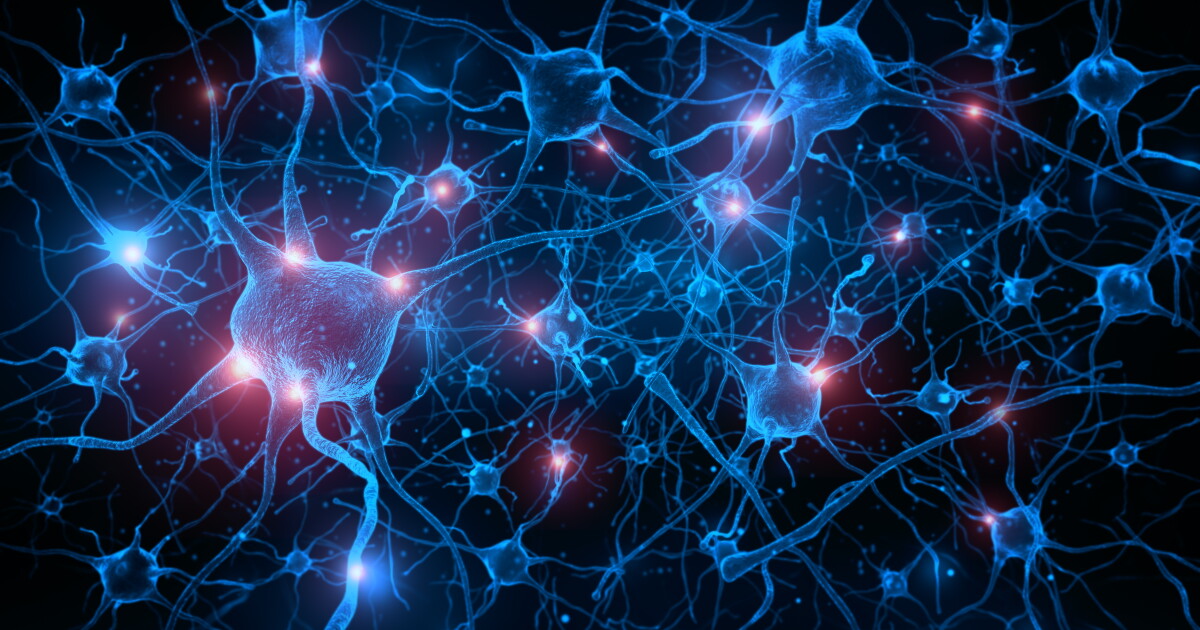
In a new twist on the phrase “two heads are better than one,” the creators of the world’s first biological computer discovered that by putting 15 of these synthetic brains together, their collective human neurons work better and smarter.
Presenting this new model at the first International Conference on Organoid Intelligence in the US this week, Australia’s Cortical Labs unveiled its new system called, appropriately enough, HIVE.
The system involves connecting 15 of the company’s innovative CL1 biological computers, with the idea that, instead of one machine powered by a group of brain cells solving problems and learning tasks, perhaps teamwork will take it to another level.
While greater brainpower does not automatically lead to success (anyone who has done a group project will be well aware of this), HIVE’s CL1 machines seemed to break down different aspects of the presented task, sorting it most efficiently to a final point. This isn’t something scientists can “teach” neurons grown in the lab; They just discovered it once they became part of a larger network.
“Biological informatics has enormous potential, but useful systems cannot depend on a single culture working perfectly at all times,” said Dr. Brett Kagan, co-founder and CEO of Cortical Labs.
“Nature solves complex problems collectively,” he adds. “Brains distribute information across specialized regions, while hives rely on many workers, each with their own functions that contribute to a shared outcome. HIVE applies that same principle to biological computing, creating systems that can be more consistent, resilient and capable than any single culture.
“Discrete neural information processing systems working together is not new to nature, except we now have a scale that can transcend physiological limits, made possible by the incredible control, scale and hardware integration enabled by Cortical Labs’ CL1 platform.”
The HIVE setup is not only scalable but more stable, according to the team.
Since they are living cells, a group of neurons can function well one day and be relaxed the next. Combining multiple groups helps maintain performance by sharing the load. It also allows the system to continue working if a group becomes unresponsive for any reason.
In a symbol recognition test, Cortical reports that connecting seven biological computers increased the accuracy of the results from around 80% to 99%.
Another test involved HIVE guiding a virtual character through a grid to find a specific target. The team compared their system to the conventional AI Deep Q Network (DQN), which uses algorithms instead of brain cells.
DQN achieved around 32% of the maximum score, while the best individual Cortical computer achieved 40%. When several biological computers evaluated which movements to perform, the score jumped to around 70%. Dividing the task between groups of biocomputing specialists yielded even higher results (around 80%).
It is important to note that these are preliminary results and are limited to the experimental design and AI model with which HIVE was being measured. But the Cortical Labs team says it makes a strong case for neural network computing working collectively, rather than using these machines individually.
Naturally, the team now wants to unravel how neurons send signals and process feedback through these connected machines, and also see if adding more connections could move the needle even further in the right direction.
“One culture may perform particularly well on a given day while another does not,” says Johnson Zhou, a scientist at Cortical Labs. “When cultures work together, those individual differences have less influence on the final outcome. HIVE gives us a way to manage that variability while taking advantage of the adaptability that makes biological systems so powerful.”
Practical applications aside, this type of system is a much more energy-efficient way to take advantage of machine learning.
The research was presented at the first International Conference on Organoid Intelligence (ICOI) held in Washington, DC on October 26-27.
Source: Cortical Laboratories










Post Comment