Microsoft Teams will soon use AI to warn you about sneaky phishing scams
follow us
Add us as a preferred source on Google
- Microsoft Teams is using AI to improve its threat detection skills
- Tools based on artificial intelligence will be used to analyze messages and detect phishing and other scams.
- The new tool will be implemented in November 2026 for all users
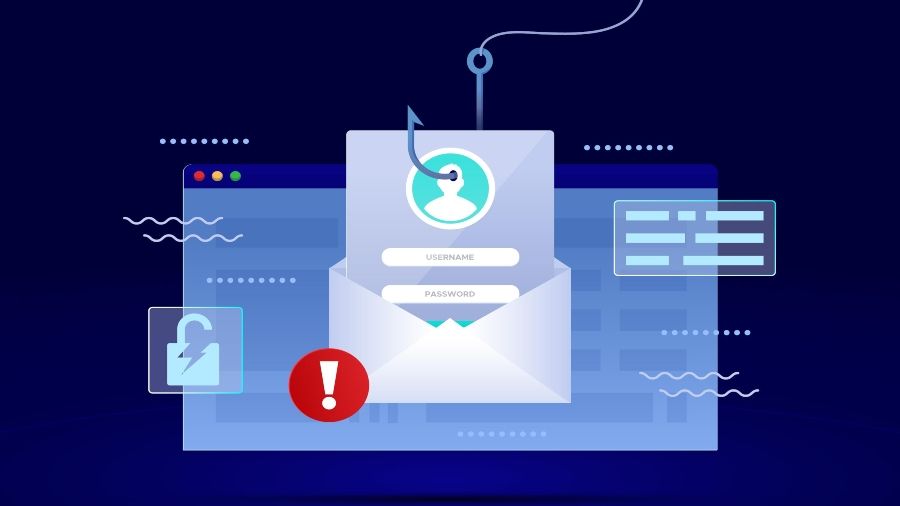
Microsoft Teams looks to help keep users safe from phishing attacks and scams with new AI-powered security protections.
The update, rolling out soon, will see the new protection use AI to detect phishing and social engineering scams in the latest security boost for Teams users.
In a new Microsoft 365 roadmap post, the company noted how the updated Teams detection process will now use AI-powered phishing detection and use contextual conversation data to identify phishing and suspicious behavior, particularly in higher-risk messaging scenarios such as external first contact chats.
Latest videos ofTechnologyRadar
Insurance for work
“Microsoft Teams is introducing AI-powered context-aware phishing detection to help identify phishing, social engineering, phishing attempts, and deceptive intent,” the company said in an update to the Microsoft 365 Message Center.
“The capability analyzes the context of the conversation to identify suspicious behavior that may not include traditional indicators such as malicious links or files.”
For even more significant concerns, the company notes that “additional protection may be applied in certain regions or scenarios,” in hopes of keeping you safe from even the most devious threats.
The post doesn’t explain exactly which AI platforms are used to power threat detection, but given the billions of messages and emails Microsoft systems process each year, it’s fair to say the company has a solid foundation to run on.
The update is listed as in development, with a scheduled release date of November 2026, when it will be generally available to all Microsoft Teams users worldwide.
IT administrators will not need to take any action to enable the new feature, and while it will analyze the context of the conversation to uncover suspicious behavior, Microsoft says it will not retain customer data for additional AI training or other uses.
“This capability is used only for security protection and not for productivity, summaries, advertising, user monitoring, or other non-security purposes,” Microsoft said. “The detection system does not retain the content of client messages for model training or other secondary uses.”
Follow TechRadar on Google News and add us as a preferred source to receive news, reviews and opinions from our experts in your feeds.













Post Comment