Smart photo corner for birds identifies 11,000 species
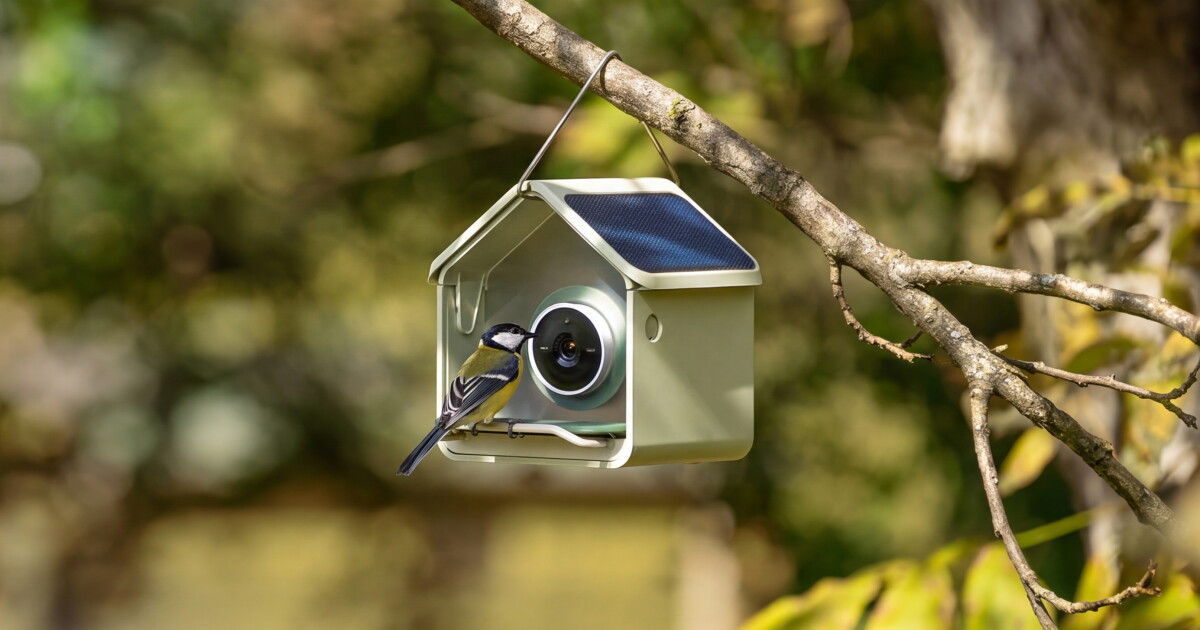
Bird watching has gone digital and more and more people are turning to smart feeders equipped with cameras and smartphone connectivity. Some might argue that this defeats the entire purpose of birdwatching: to take a break from the digital world and connect with nature. On the other hand, a smart feeder could be your best chance of spotting a rare bird in your backyard while you’re busy with your 9-to-5 job.
Founded in New York in 2020, Birdbuddy is one of several companies that make these devices. It recently introduced its first smart feeder, priced at US$99. It’s called Nook and is aimed at people who are new to bird watching or just want to give it a try.
bird friend
So what exactly makes the Nook smart? Some things. Like other similar feeders on the market, it has a built-in camera that is activated when a bird lands in front of it. It is also equipped with an artificial intelligence-powered system that can recognize 11,000 species. The device can also identify specific returning birds, allowing you to create individual profiles for them and even give them names.
The Nook features a 2K HDR camera with a reasonably wide 135-degree field of view. Capture photos and videos in portrait or landscape mode.
bird friend
The feeder connects to your smartphone via an app and sends notifications when a bird passes by. If there is a sick bird or an unwanted visitor, such as a cat, the app can also notify you. It also has an AI chatbot called Nature Chat, which can tell you some fun facts about birds.
However, it’s worth noting that a paid membership is required for some of those features, such as automatic AI recognition, unlimited Nature Chat prompts, and naming individual birds. An annual membership costs $69. Basic features remain free, including the most important one: capturing and downloading photos and videos. The free version also allows up to 10 people to connect to the same profile, which would be fun if your family members share the same interests.
Obviously, the device requires a Wi-Fi connection to work, so you’ll want to keep that in mind when choosing where to install it.
The base Nook model comes with a rechargeable battery that is advertised to last up to a month. Battery levels can be monitored via the app and the device charges via USB-C. There’s also a version of the Nook that comes with solar panels built into the roof: it costs $159.
bird friend
With the solar version, the weather is an important factor to consider. If you live in a warmer, sunnier climate, you may not even need to recharge the battery manually. But colder winters and shorter days can definitely affect battery and solar panel performance. According to Birdbuddy, the feeder is designed to operate in temperatures ranging from -20.5°C to 48.5°C (-5°F to 120°F).
The Nook is quite compact, measuring 176.5 x 150 x 158.5 mm (6.9 x 5.9 x 6.2 inches), while the Nook Solar is a little larger in all dimensions. Both versions have a seed capacity of 0.9 l (3.8 cups).
Birdbuddy has also introduced the Birdbuddy Home, a slightly larger smart feeder with a 1.4 liter seed capacity and larger solar panels. It is priced at $219.
Source: Birdbuddy










Post Comment