Smart rings are entering a new era. This is how they are changing.
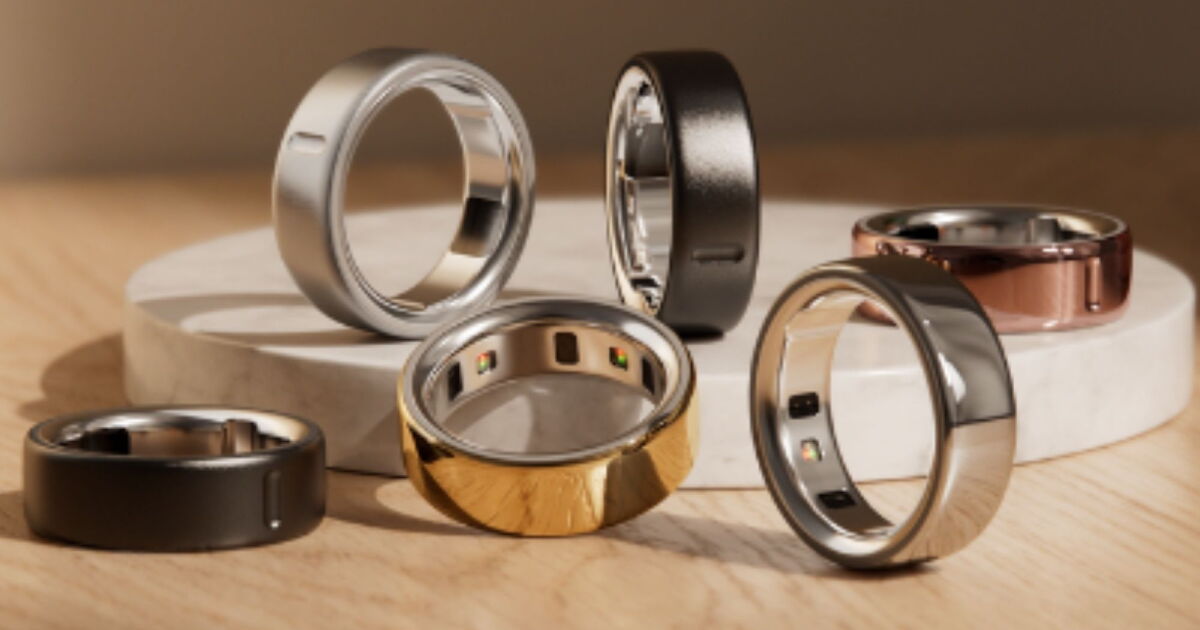
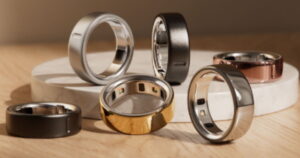
There was a time when sentient rings were what your level three wizard used in a Dungeons and Dragons campaign. Now Amazon will sell you one for less than a steak dinner for two.
For those willing to pay a little more, Oura now has smart rings that serve as a serious health tracking platform. Samsung has also thrown its considerable weight behind computerized rings, and a growing group of competitors are occupying the territory between them.
The latest company that caught my eye is British watch brand Sekonda, which just launched its first smart ring for just £79.99 (around $110 US). Tracks heart rate, sleep, skin temperature, stress, steps, and menstrual cycles. It’s also waterproof up to 50 m (164 ft), claims up to seven days between charges, and requires no subscription.
What makes Sekonda interesting is not that he invented something revolutionary. It hasn’t been necessary.
A decade ago, smart rings were an experimental technology. The first-generation Oura ring appeared in 2015, initially as a proof of concept to collect enough physiological data to develop the science and algorithms behind it.
The original was a thick affair. Unsurprisingly, later generations became smaller, more comfortable, and considerably smarter.
By 2024, the category had attracted Samsung, whose Galaxy Ring brought the format to the mainstream electronics market for $399.99 with no monthly subscription. New Atlas noticed at that time that Samsung was following the path already marked by pioneers like Oura, but its arrival was a clear sign that smart rings were no longer just an experimental niche.
Fast forward to today and the basic sensor package has become almost mundane. Optical heart rate sensors, accelerometers, and temperature sensors can now disappear inside something resembling a regular piece of jewelry, operate for the better part of a week, and continuously collect data while their owner sleeps, works, and shops.
And the finger turns out to be a good place to put them.
Most rings use photoplethysmography or PPG, which basically illuminates the skin and measures changes caused by blood flow. The finger has a rich blood perfusion close enough to the surface to provide a strong optical signal. That’s one of the reasons why medical pulse oximeters are placed on patients’ fingers.
Recent reviews of smart ring research have found solid performance for measurements including heart rate and heart rate variability, while the small size and unobtrusive shape make the rings particularly well-suited for nighttime monitoring.
In fact, sleeping may be the main application of the smart ring.
A watch is easy enough to wear during the day, but many people don’t particularly like wearing it to bed. A ring that weighs a few grams is much easier to ignore. That allows it to collect heart rate, motion, temperature and other data night after night, looking for trends rather than taking an occasional snapshot.
That idea has real substance, but there are also reasons to temper expectations. A 2026 systematic review covering 28 studies of finger-worn sleep devices found an overall accuracy of 87% in distinguishing sleep from wakefulness. Identification of individual sleep stages was considerably less convincing, with a combined accuracy of 65% for light sleep, 81% for deep sleep, and 74% for REM sleep. In other words, your ring may help you track patterns, but it’s not a sleep lab wrapped around your finger.
Oura’s current Ring 4 starts at $349, and its full experience requires a membership that costs $5.99 per month or $69.99 per year in the United States. Samsung galaxy ring launched in Australia at AU$699, although Samsung does not charge a subscription for access to its health data. Both are substantial purchases.
Then there’s the Sekonda at £79.99 and below that, an online marketplace full of smart rings that cost pocket money.
So the interesting question is not whether someone will be able to make a cheap smart ring. Clearly they can. It’s about whether the inexpensive hardware and, perhaps more importantly, the software that interprets its output have become good enough that most people no longer need the expensive one. That’s much harder to answer from a spec sheet.
It reminds me a little of the MP3 player market after the iPod took off. Apple had demonstrated the idea, and suddenly countless cheap players looked vaguely similar, promised the same basic job, and were usually exactly as good as their price suggested. Smart rings seem to have reached that stage now, except this time established brands are also starting to move towards the cheaper end of the market.
A cheap optical sensor can produce a number called “heart rate,” but turning streams of sensor data into useful assessments of sleep, recovery, stress, and health trends is where years of algorithm development and validation start to matter. A recent systematic review of smart rings found impressive results in a growing body of medical research, but also warned that a substantial proportion of the studies it examined were at moderate to high risk of bias, and that proprietary algorithms remain a major obstacle to independent scrutiny.
There is another cost that also does not appear on the price tag and one of my favorite topics: data.
Sekonda proudly announces that “there will never be a subscription,” but that doesn’t mean your health data stays on your phone. Its own privacy policy says that when the ring is synced, data recorded by the device is transferred to Sekonda’s servers. That may include heart rate, activity, sleep and location data, which the company says may also be processed by affiliates and service providers, and the data may be transmitted to Germany, Hong Kong and other countries.
Users can withdraw their consent and delete previously uploaded data through the app, but this is an after-the-fact control and not a local design. The data still has to leave the device and reach the remote servers used by the Sekonda Smart service for the service to function as described. Interestingly, the cloud is not technically necessary.
Open source projects like open ring You can talk directly over Bluetooth to cheap Colmi smart rings without an account, app or cloud service, while OpenCircuit does something similar with RingConn hardware, decoding the ring data locally and writing it directly to Apple Health.
That doesn’t make them polished, conventional alternatives, but it demonstrates an important point: the ring itself doesn’t inherently need to send your biometric data to someone else’s server. That part is largely a choice of software and product design.
It also doesn’t make Sekonda unusual or imply anything sinister. Cloud processing is deeply embedded in modern consumer technology. But biometrics are unusually intimate information, and as smart rings become cheap enough to be impulse purchases, buyers may want to spend as much time examining the app and privacy policy as they do the hardware on their fingers.
Maybe that’s the real sign that the smart ring has finally grown up.
The interesting question is no longer whether it is technically possible to put useful sensors in a ring. Not only have we responded to that, but we can demonstrate that the technology is still moving. New Atlas recently covered an experimental smart ring developed at UC San Diego that goes beyond optical sensing and analyzes sweat for biomarkers including glucose and ketones.
So while consumer rings are getting dramatically cheaper at one end of the market, researchers are simultaneously pushing the form factor toward much more sophisticated health monitoring at the other.
Now the market is starting to look like any other mature consumer electronics product: premium products selling sophisticated ecosystems at premium prices, established brands pushing down, and a sea of cheap hardware emerging from below. £80 from Sekonda ring is right in the middle of that collision.
And if something so small and inexpensive can provide most of the useful information people really want from a wearable device, the smartwatch may finally have some serious competition on its… hands.







Post Comment