Xiaomi Note 17 phones pack huge batteries for days of use
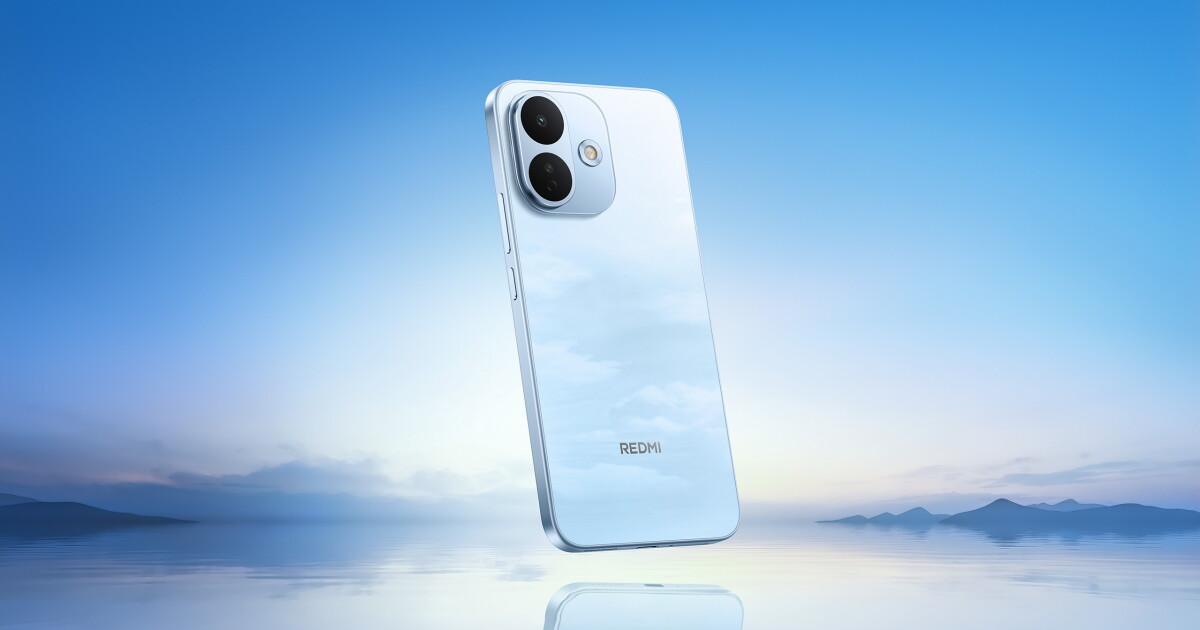
Xiaomi’s REDMI Note 17 line just landed last week, with four models: Note 17, Note 17 5G, Note 17 Pro 5G and the first Note 17 Pro Max 5G.
All it takes is a quick glance to see what Xiaomi is emphasizing here: endurance. The company is pushing its family of mid-range smartphones into territory that, until recently, was primarily reserved for beefy, chunky phones (although, naturally, the batteries in these devices are typically significantly larger).
The Pro Max includes a 10,000 mAh silicon-carbon battery (with 16% silicon content), while certain markets get a 9,210 mAh variant designed for the same long-term battery performance.
The Note series has already exceeded 500 million shipments worldwide. Riding this wave of success, Xiaomi appears to be betting that these enormous capabilities can break out of niche status and become mainstream. And you might be right: If modern battery chemistry continues to increase capacity without compromising much on compactness, there’s no reason it shouldn’t.
Xiaomi
In terms of real-world longevity, that flagship battery is rated to last up to three days of use per charge (and that’s without using any kind of power-saving mode). This is combined with 100W HyperCharge; Xiaomi says a 20-minute recharge provides enough power for a full day, while 27W reverse charging allows the phone to function as a small emergency power bank. The device’s lab numbers include up to 40 hours of video playback, 24 hours of browsing, and 21 hours of gaming.
The pack is managed by Xiaomi’s Surge G2 battery system and is rated to retain at least 80% of its capacity after 1,600 charge cycles (about six years of typical use, according to the company).
The rest of the range is no slouch in the endurance department either. The Note 17 Pro 5G has an 8,340 mAh battery, 67W input, 22.5W reverse charging, and a Snapdragon 6s Gen 4 processor.
Both the Note 17 5G and base Note 17 drop to 7,700 mAh (for reference, many mainstream smartphones still hover around the 5,000 mAh mark), with 45W charging and 22.5W reverse charging. The former uses a Snapdragon 4 Gen 4, while the latter gets a Snapdragon 6s 4G Gen 2. Both base models feature Xiaomi’s Titan battery system along with 5-star battery performance ratings from TÜV SÜD.
Xiaomi
The two Pro models also have beefier hardware. Both use 6.83-inch 1.5K AMOLED displays with 120Hz refresh rates, 3,500 nits peak brightness, and Gorilla Glass Victus 2. Beyond that, they have IP66/IP68/IP69/IP69K ratings, have passed Xiaomi’s 2m (6.6ft) and 72-hour water resistance tests, and were tested by SGS for 3m. (9.8 feet) falls on granite.
Beyond durability testing, Xiaomi claims the Pro models are the first devices to earn TÜV SÜD’s overall 5-star Titan quality certification that covers battery health, drop protection, and water resistance.
The Pro Max adds a Snapdragon 6 Gen 5 processor, a 50MP OIS main camera, a 32MP selfie camera, and a Cloud Blush photochromic finish. The standard models take it down a notch with 6.99-inch FHD+ AMOLED displays, Gorilla Glass 7i, and IP65 protection.
Prices start at $249 for the Note 17, $299 for the Note 17 5G, $399 for the Pro 5G, and $499 for the Pro Max 5G. However, be sure to check your region’s REDMI Note 17 site – configurations and availability vary by market.
The Pro Max is the one that catches the eye, packing near-power bank levels of capacity into a fairly standard-looking smartphone. But there may be a bigger change at play here: Xiaomi is treating multi-day endurance and longer ownership cycles as mid-range expectations rather than premium extras; Hopefully it sets a standard that other manufacturers will follow (although I’m not holding my breath about that).
Source: Xiaomi
New Atlas may receive a commission if you purchase through our links












Post Comment